
The Dark Web consists of a decentralised network of internet sites that are designed to provide users with a high level of anonymity, by routing all their communications through multiple servers and the utilisation of encryption. Although there are a number of benevolent purposes for the dark web, criminals use the dark web to exploit its feature of anonymity to cover their tracks when stealing, selling, or purchasing illegal products including your personally identifiable information.
Depending on the type of information listed on the dark web, criminals can carry out various types of identity theft and fraud. For example, if a criminal was to find your name, Tax File number and licence number on the dark web, he or she could open fraudulent accounts in your name or file fraudulent tax returns. If they were to discover any of your login credentials, they could compromise the respective account and every other account those credentials are being used to log into various portals. If criminals were to find your credit card details on the dark web, they would use it to make fraudulent crypto purchases or simply empty out your various accounts.
Identity theft can leave individuals and organisations reeling, taking days or months to recover. Below are five key ways to keep your information away from the dark web:
Enable multi-factor authentication
Implementing multi-factor authentication across your various portals. MFA requires another factor (something you are or something you have) other than username and password to enable access. MFA can significantly increase the chances of preventing identity theft. For instance, even if attackers were to gain access to login credentials and post it on the dark web, they would need access to a second factor in order to login into your accounts.
Implement best practises when it comes to password management
Ensure passwords are being updated regularly, unique, and not shared amongst accounts. Individuals tend to reuse the same password for convenience, which can lead to attackers compromising multiple accounts with a single pair of login credentials, therefore, individuals can utilise a password management application to generate secure random passwords and keep track of them.
Implement Endpoint protection solutions
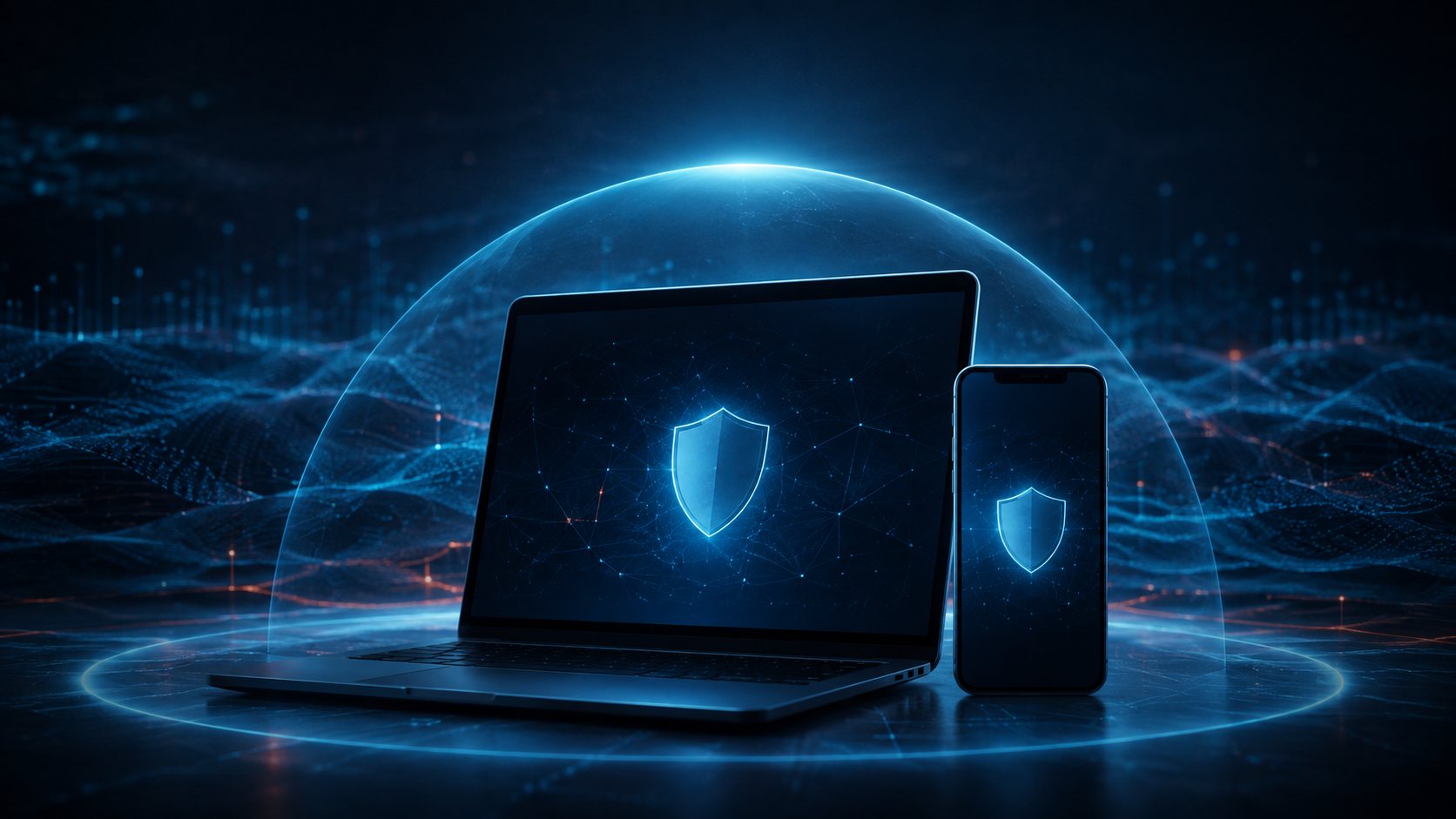
To prevent your sensitive information from ending up on the dark web, ensuring that your devices have Endpoint protection solutions installed can increase your chances of preventing spyware, viruses, adware, trojans, etc, from infecting your device. If one of these malware are detected, it can be promptly acted upon.
Browse securely
Why this matters: In FY 2024–25, ASD’s ACSC received over 84,700 cybercrime reports. For individual victims, the average self-reported cost of cybercrime was $33,000, and identity fraud accounted for 30% of reported cybercrime types. These figures are from ASD’s Annual Cyber Threat Report 2024–25.
Avoid browsing on public networks in coffee shops or shopping malls where your activities can be accessed by anyone else on the network due to lacklustre security standards. Even when at home, ensure that you have all your software installed up to date. It also helps to use a VPN (virtual private network) to browse for that added layer of security. Also, make sure you are browsing on secure websites, for example, ensure that the URL begins with HTTPS, or your browser shows a padlock icon or the word "secure" next to the URL prior to you sharing any sensitive information.
Utilise dark web monitoring or scans
Be proactive about your security by running dark web scans. They can help you identify if your information is already available for nefarious use. It is always better to know your details have been compromised rather than reactively changing your credentials when you have already been compromised. Upon learning of any credential loss you can take the appropriate steps to safeguard your information and prevent any major impacts.
StickmanCyber's Dark Web monitoring services discover any data breaches and instances of company data available on the dark web, providing advice to mitigate the loss and allowing you to take proactive steps to protect yourself.